Start at the destination
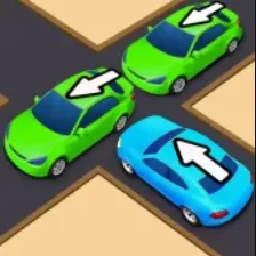
A crowded puzzle is easier to understand when you know what needs to become clear. In Parking Tangle, begin at the exit. Find the car nearest a usable route, then trace the blockers that prevent another car from reaching it. You are looking for the first move in a chain.
Working backward avoids a common trap: moving the first piece that allows an action without knowing whether the action helps. An available move can be harmless, useful, or a new obstruction. The route to the goal helps you tell the difference.
Change one connection at a time
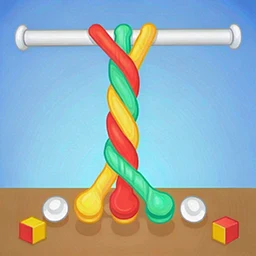
In Tangled Rope Fun, follow one colored strand from end to end before dragging a handle. After the move, look at the whole knot again. The crossing you removed may have been replaced by another crossing somewhere else.
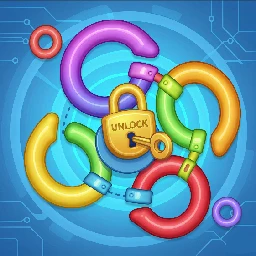
Ring Unlock asks for similar patience. Trace an opening and its neighboring pieces instead of treating the rings as a flat picture. Look for a small, understandable change, then reassess what it made possible.
Watch the consequence
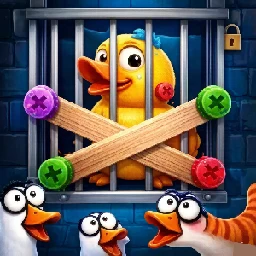
Layered games such as Help Ducks add moving plates to the decision. Before removing a screw, identify the plate it holds and check its other supports. After it moves, stop long enough to read the new arrangement.
When a puzzle becomes confusing, describe the next action to yourself in one sentence: “This move opens that route.” If you cannot name the result, try inspecting a different part of the board. You do not need a perfect plan, only a reason for the next move. More of these boards are in puzzle games.